Find the Balance · Introduction
Find the Balance
Why the tensions every leader lives with have no right answer, and why we lean the way we do.
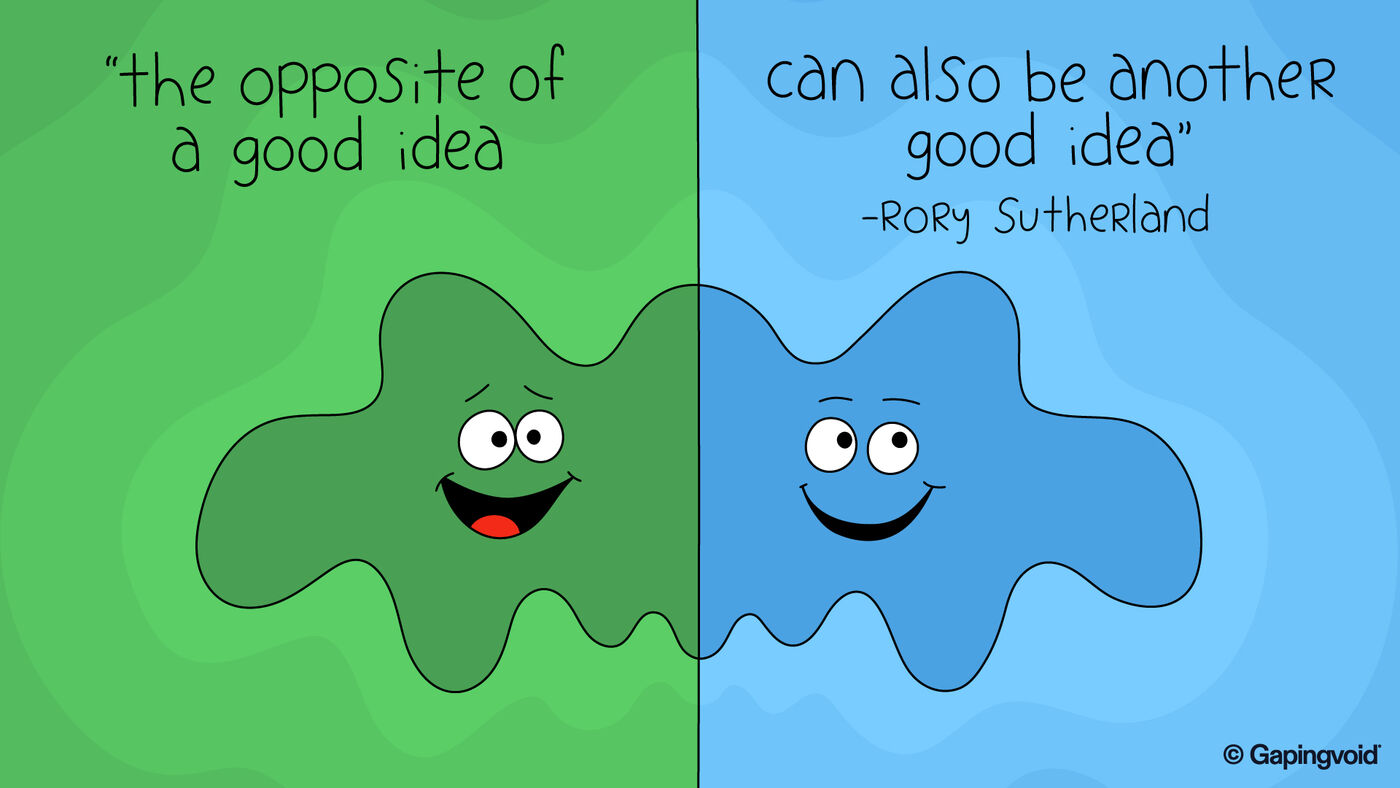
In a workshop a while ago, I asked a group of leaders to rate themselves against a set of situations. Not competencies or capabilities, but tensions. Do you build close relationships, or keep a professional distance? Do you take the lead, or step back? Do you trust your people, or keep an eye on things? Do you seek agreement, or make the call?
At first, everyone tried to answer them correctly, and that tells you something. The instinct to find the right answer is exactly what gets us stuck, because there isn’t one. Both sides of each tension are true, and both are worth having.
We lean
Most of us know this, and yet most of us have a preference. We lean one way, and when the pressure comes on, we lean harder. The people who handle these tensions best haven’t found the right side. They can move to either side when the moment calls for it: close and still clear, stepping back and still giving direction, seeking agreement and still making the call. They don’t do it perfectly, but they do it on purpose. Balance, in that sense, isn’t a midpoint. It’s range, used deliberately.
Why we lean
This is where I want the series to go further than most writing on leadership tensions. At Square Peg we think about fit in simple terms. There’s the peg, which is what a person brings, including the beliefs they carry. There’s the space, which is the conditions around them. The two meet in behaviour, and behaviour, over time, builds fit or wears it away.
The tensions in this series live in all three places. Within us, a belief often makes one side feel safer. If part of you believes you’re only valuable when you’re needed, you’ll drift towards rescuing people. If part of you believes things go wrong unless you control them, you’ll drift towards checking. Around us, workplaces reward one side over the other. A place that prizes speed makes thinking time look like dithering, and a place that prizes harmony makes candour look disloyal. And from us, our lean becomes someone else’s conditions: the leader who always steps in teaches the team to wait. So where you sit on a tension isn’t just your style. It’s a belief meeting a condition, and both of those can change.
The part you can’t see
There’s a catch. You’re not the best judge of which way you lean. You know your intentions, while other people know your effect. You remember why you held back in that meeting; they remember that you held back. The most useful information about your lean is held by the people around you, and they usually see it well before you do.
What’s coming
Over the next eleven posts I’ll take one paradox at a time:
- Close, and clear. The closer you get, the harder the hard thing is to say.
- Step forward, and step back. The more you lead from the front, the less others learn to lead.
- Make the call, and build agreement. The more you take charge, the less others do.
- Your patch, and the whole. The harder you push for your win, the less others help you win.
- Say it, with tact. The harder you push back, the less people tell you.
- Trust, and stay in touch. The more you check, the less others own.
- Make room, and stay visible. The more room you leave, the more others fill it.
- Rely on others, and on yourself. The more you rely on others, the more they decide for you.
- Open, and clear. The more you go along, the less your agreement means.
- Help, and let people struggle. The more you rescue, the less people grow.
- Confident, and humble. The more certain you are, the less you learn, and the more you search, the less you decide.
Each post looks at what the paradox looks like when it’s underdone and overdone, what each side invites from the people around you, the belief that tends to drive the lean, and what the workplace rewards. Each one ends with a small move you can try: a little more of the opposite.
The purpose of leading is simple enough: create the conditions in which people can be at their best. Navigating these paradoxes well goes a long way towards that. You won’t always get it right, and I certainly don’t. But every time you notice which side you defaulted to, and what it cost, you give yourself a better choice next time. That’s what this series is about.
Find the Balance is one of Square Peg’s three practices, alongside Change the Story and Shape the Conditions.
Want to talk about this with your team? Square Peg works with leaders on the conditions, beliefs and behaviour behind how they lead.
Get in touch