Find the Balance · Paradox 3
Make the call, and build agreement
The more you take charge, the less others do.
Part of Find the Balance, a series on the tensions every leader lives with: why we lean one way, what drives the lean, and one small move.
Every decision gets made twice. The first time is when someone makes the call. The second is quieter, and it happens when the people who have to carry it out decide how much of themselves to put into it. Leaders tend to watch the first moment closely and miss the second, which is a pity, because the second is where a decision turns into results. It’s also where a familiar pattern shows up: the more you take charge, the less others do.
The paradox
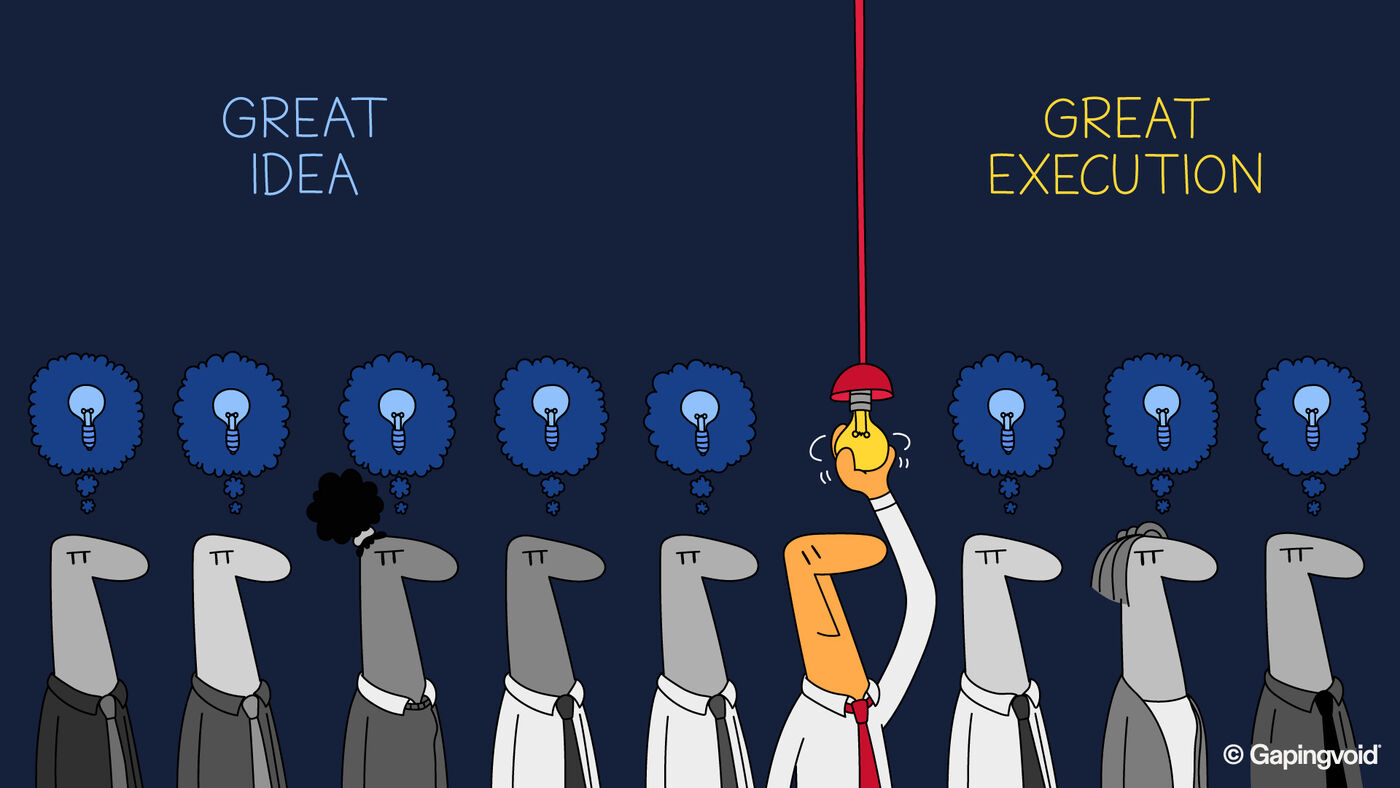
Make the call, and build agreement. A team needs someone willing to decide, especially when the options are close, the information is incomplete and waiting has its own cost. It also needs people who feel the decision is partly theirs, because that feeling is what carries it through the hard middle part of making it work. A great idea with no commitment behind it stalls. A team that agrees on everything but never lands goes nowhere. Each side needs the other.
Too little, too much
The approach here is Directing, applied to decisions: setting the course, choosing between options and owning the outcome. Done too little, it becomes absent. The decision keeps circling, waiting for one more conversation or for everyone to be comfortable, and the people who needed an answer start working around the gap. Direction doesn’t disappear when a leader steps out of it. It gets supplied by the longest-serving person, the loudest voice or the politics.
Done too much, Directing becomes controlling. Decisions that were already made get remade, work gets rewritten that didn’t need rewriting, and the leader’s sign-off becomes the gate for everything. It usually comes from high standards and genuine care about getting things right, which is exactly why it’s so hard to see as a problem from the inside.
What each side invites
Controlling invites dependence, and the dependence looks like proof. People stop deciding because they’ve learned their decisions will be unpicked. The leader then sees a team that needs more direction, gives it, and the team leans on them further. That isn’t laziness. It’s a sensible response to a place where autonomy isn’t real. Absence invites either drift or a scramble for influence, and when things eventually go wrong, the absent leader often swings in hard and takes over. That swing teaches the team that real decisions arrive without warning, which makes them even less likely to commit to the next one.
Within: why you lean
Underneath the lean there’s usually a belief that feels like plain common sense. If you lean towards controlling, the first story may be “Deciding is my job.” It sounds responsible, and partly it is, but it quietly turns every decision into yours, including the ones that would be better made closer to the work.
If you lean towards absent, the first story may be “I need everyone on board first.” That sounds inclusive, but it hands the timing of every decision to the most hesitant person in the room. Neither story gets tested very often, because acting on it keeps it feeling true.
Around: what the space rewards
Much of this is shaped by who is actually allowed to decide. In some organisations Agency sits only at the top, and decisions made lower down are routinely revisited, so leaders learn to hold decisions close and teams learn to pass them up. In others, being on the same page is prized so highly that any decisive call feels like breaking ranks. Both conditions make one side of the paradox feel safer than the other. It’s worth asking which decisions in your area are genuinely delegated, and which are only delegated until someone more senior disagrees.
They move
Wendy Smith and Marianne Lewis describe paradox in organisations as something worked with over time rather than settled once, and that’s a helpful way to think about deciding. The leaders who handle this well are clear about the what and generous about the how. They make the call when the stakes or the uncertainty need it, and they hand the method back to the people doing the work.
They also treat a plan as something to commit to and something to change. Making the call doesn’t mean defending it forever, and building agreement doesn’t mean waiting until nobody could possibly object. The real test isn’t how much they decide. It’s whether the team gets better at deciding without them.
The move
Take one small step in the direction you don’t usually go. If you lean towards controlling, look back at the decisions that came to you last week and pick one type that could be made without you. Say so out loud, agree the boundaries, and resist remaking it when the first one comes back slightly different from how you’d have done it. If you lean towards waiting for agreement, set a date for your next stuck decision and tell people when it is. Gather what you can by then, and on the day make the call and say what would make you revisit it.
And a question to sit with. Which decisions come to you that could be made without you? What would happen if they stopped coming? And if you asked your team whether you decide too much or too little, would they hesitate before answering?
Find the Balance is one of Square Peg’s three practices, alongside Change the Story and Shape the Conditions.
References
- Smith, W. K., & Lewis, M. W. (2011). Toward a theory of paradox: A dynamic equilibrium model of organizing. Academy of Management Review, 36(2), 381–403. https://doi.org/10.5465/amr.2009.0223
Want to talk about this with your team? Square Peg works with leaders on the conditions, beliefs and behaviour behind how they lead.
Get in touch